
Category: Data Science
-
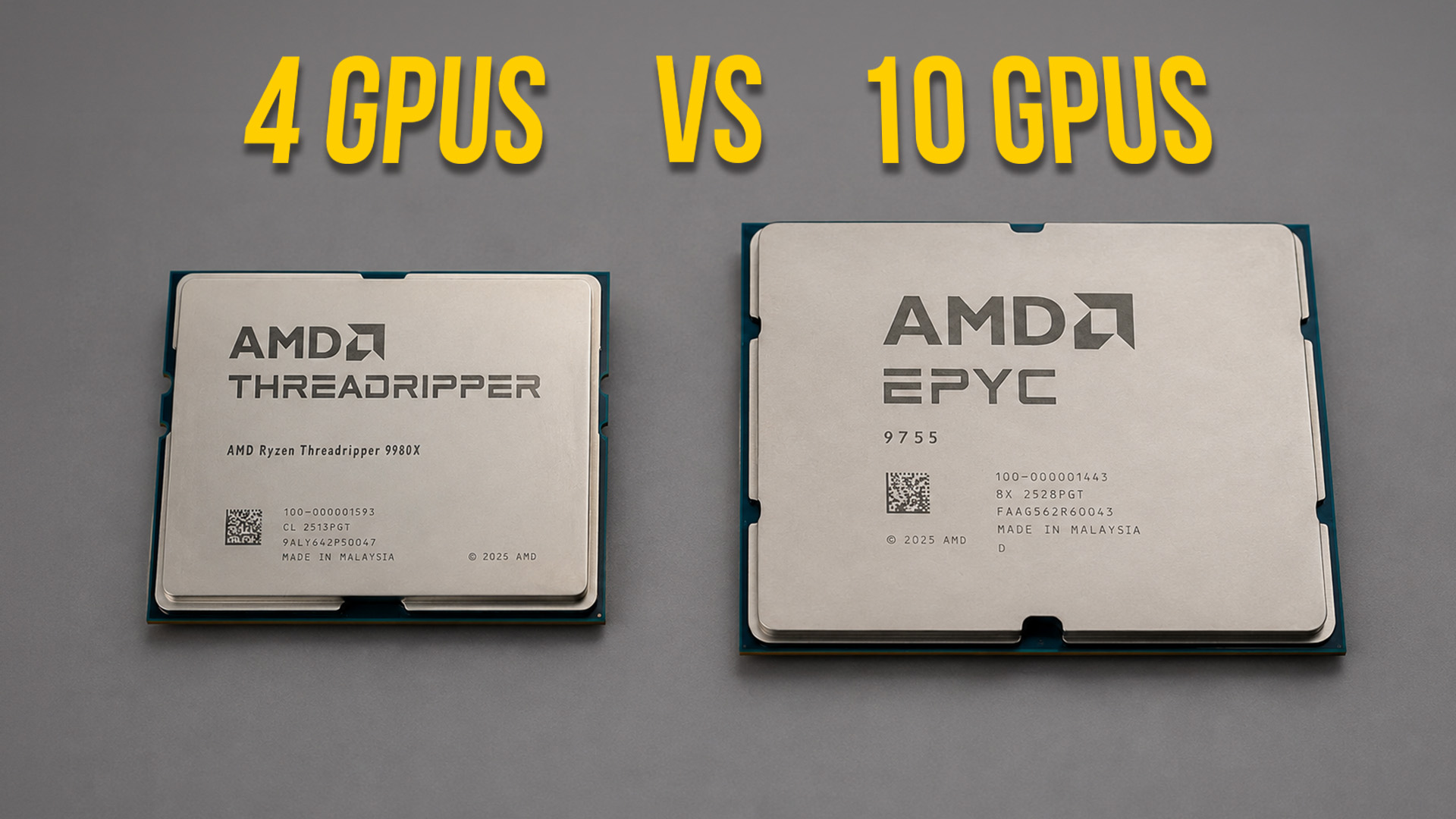
Epyc vs Threadripper – Which one should you choose? | TheMVP
Choosing between Threadripper and EPYC when building a high-performance workstation or server is not as simple as picking the “faster” processor. Today, we are diving into when you should opt for Threadripper, where its limits lie and when EPYC starts making sense without overspeccing. Threadripper Territory Threadripper is built for active, single-node workloads sitting directly…
-
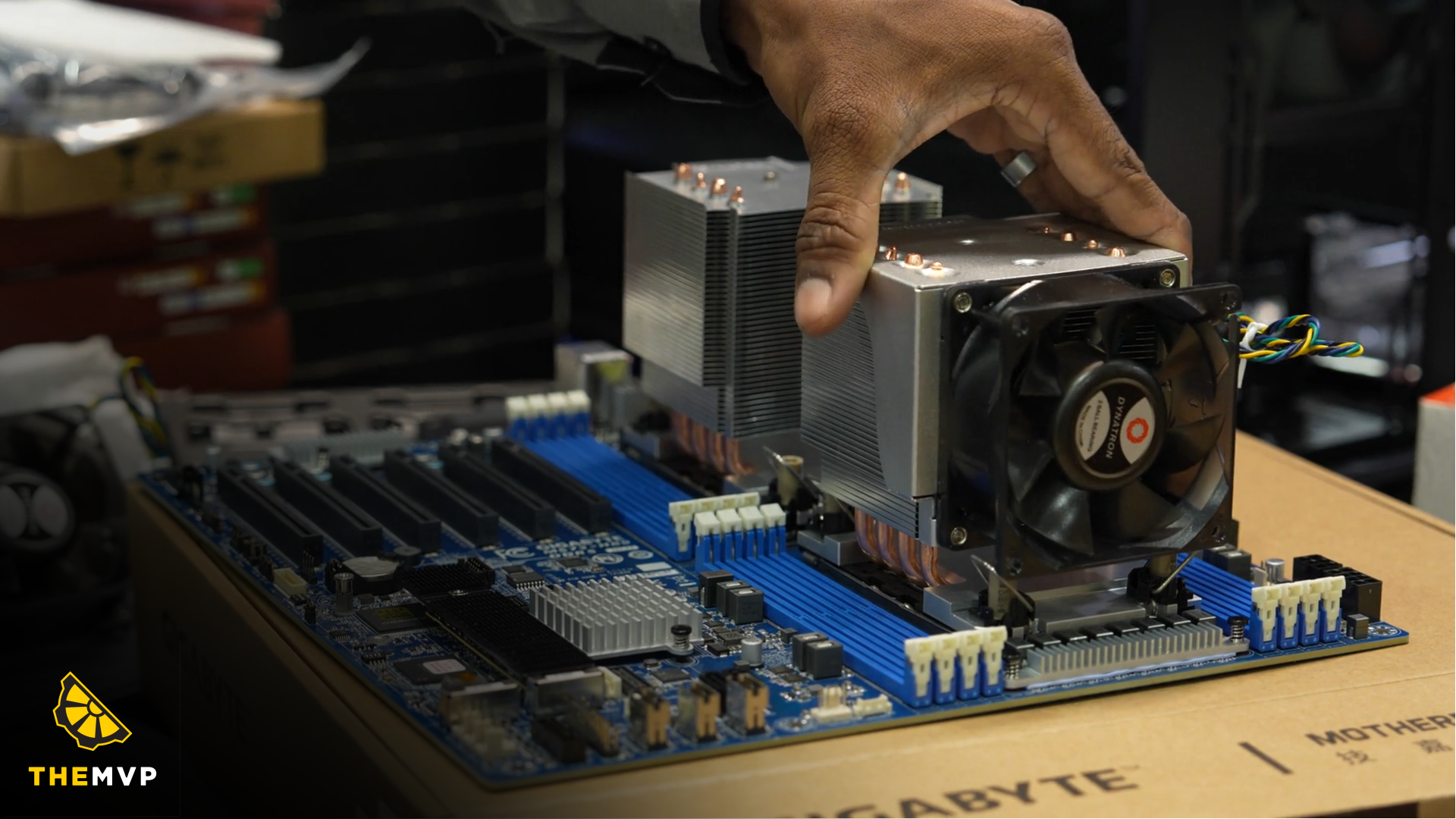
How the Wrong Motherboard Leaves Lakhs of Hardware Sitting Idle: PCIe Lane Budgets Explained
If you’re currently shopping for a workstation with multiple GPUs, you’re likely trying to linearly scale your workflow by loading bigger models or cutting render times. However, we frequently see custom multi-GPU builds fall far short of expectations. We see that three GPUs are pegged at 100%, while the fourth sits idle, waiting. The culprit…
-

AI Training vs. Inference: How to Choose the Right AI Workstation
We have gotten used to people calling us and saying “I need an AI workstation.” It sounds like a simple request, but it’s actually impossible to Generalizing it as an “AI PC” is a trap because artificial intelligence workloads split into two completely different jobs that stress computer hardware in different ways. If you get…
-
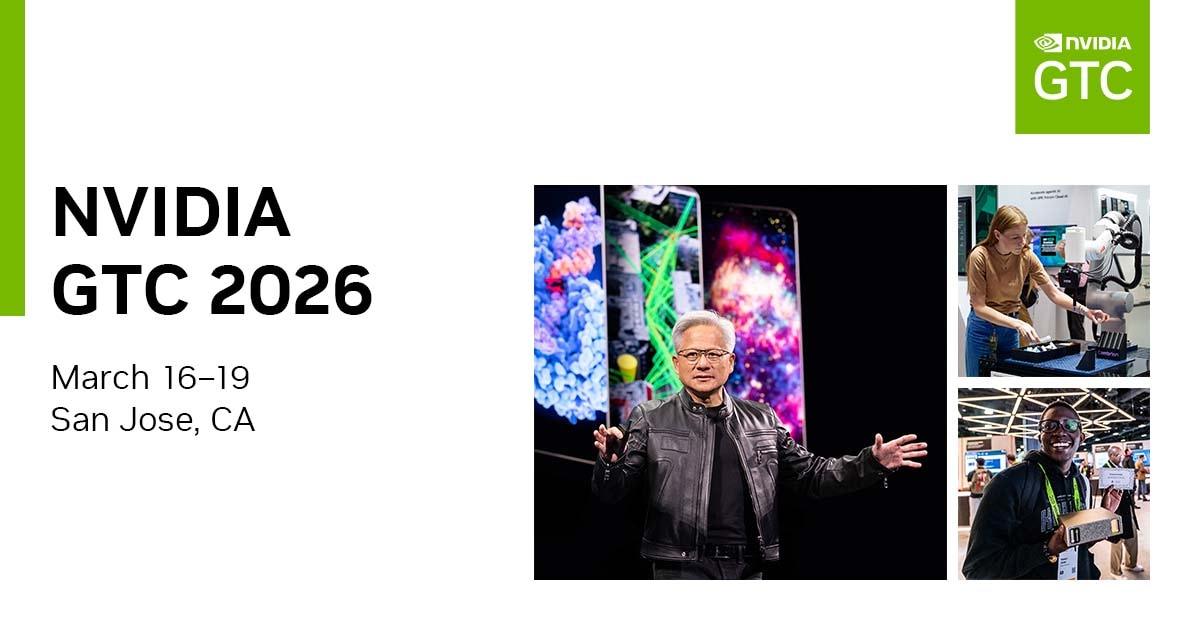
GTC 2026 Highlights | Everything you need to know
It’s no surprise that like all things in 2026, GTC was all about AI. Nvidia showcased their advancements in data center hardware along with the product of their “acquisition” of Groq chips and also an entirely new genre of DLSS. DLSS 5 With the announcement of DLSS 5, Nvidia wants to bring real-time photorealistic graphics…
-
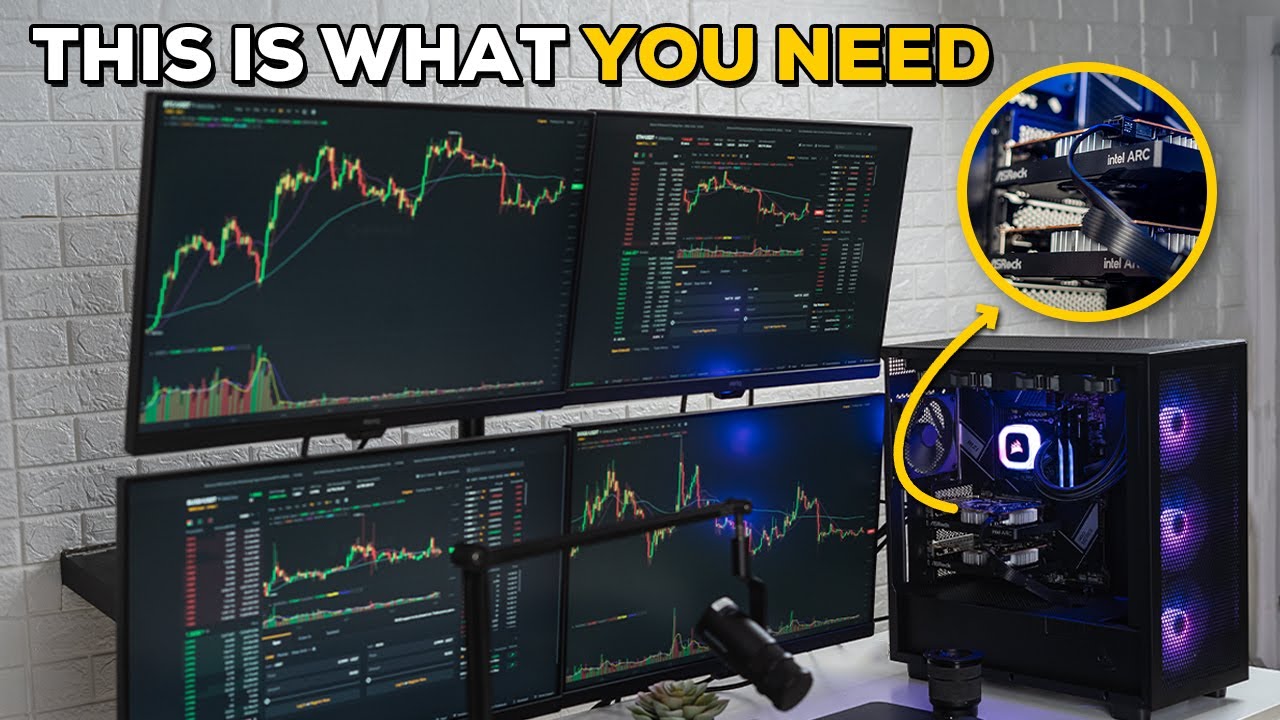
What is Algorithmic trading? | Hardware recommendations
2026, trading is split into two beliefs: markets keep climbing, or they fall hard enough to trigger a reset. But human beliefs are no longer dominant. Around 60% of global trades are executed automatically by algorithms, not people. What is Algorithmic trading? Instead of a human manually clicking “buy” or “sell” based on intuition or…
-
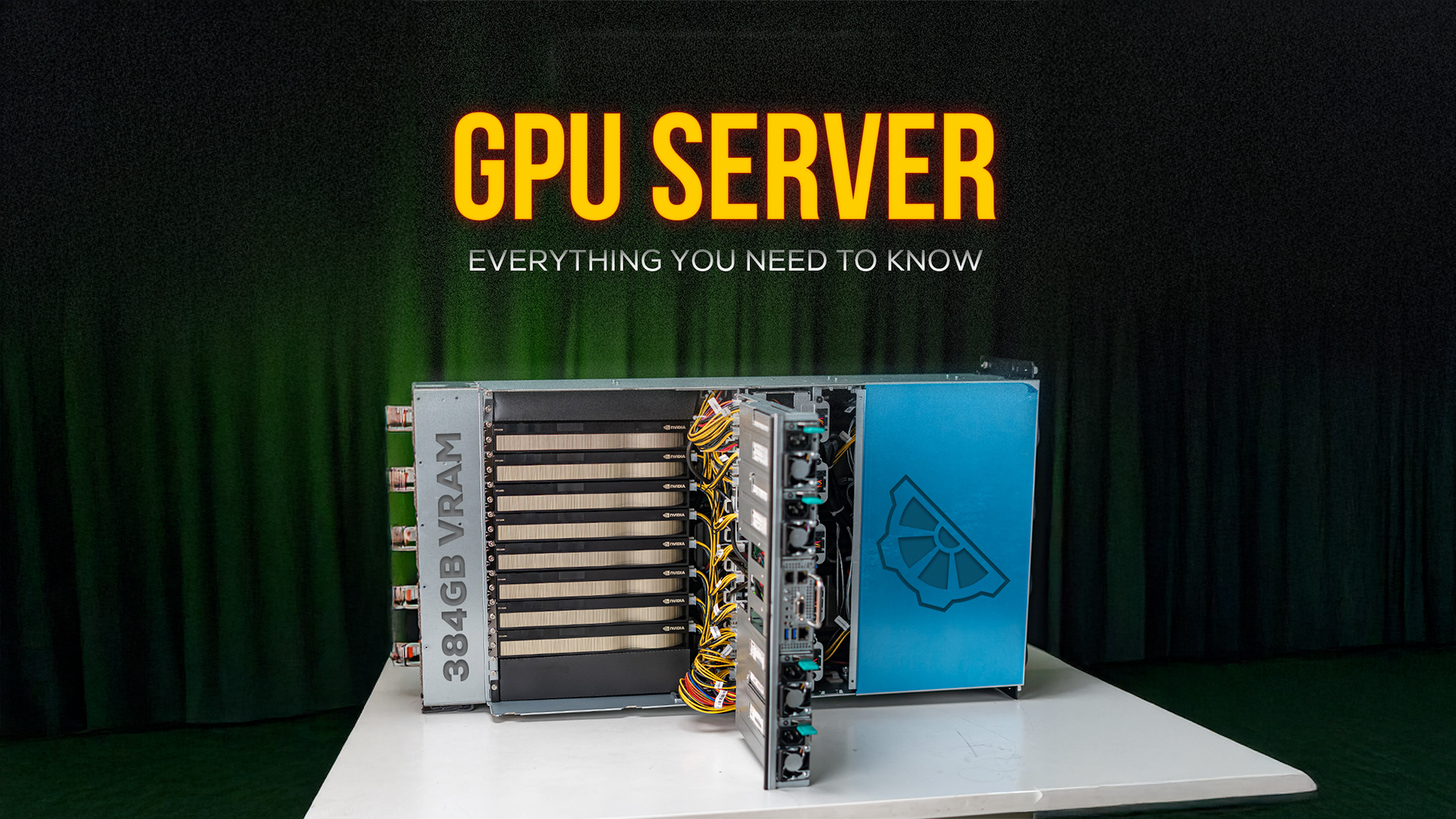
GPU Server: Everything you need to Know
This is a GPU server with eight RTX A6000 GPUs. Together, they provide 384 GB of VRAM and over 86,000 CUDA cores. This class of hardware is what powers deep learning and generative AI. The AI tools people use every day, be it image generation systems, large language models, and recommendation engines which are run…
-

Run a Local LLM on a Mid-Range Gaming PC.
Can your regular home gaming PC run a large language model without the internet? Absolutely. And for the first time, it’s not a gimmick, it’s actually usable. What once demanded server-grade GPUs with massive VRAM is now possible on consumer hardware. Can your regular home gaming PC run a large language model without the internet?…
-

Building an Enterprise Photogrammetry Workstation
Most people think good photogrammetry is all about software. Metashape, Pix4D, Reality Capture, and so on. In reality, the real hero is the hardware under the table. Back in 2022, we had to build a workstation for heavy industrial photogrammetry work, think thousands of drone photos turning into centimeter-level 3D maps for mines, roads, and…
-
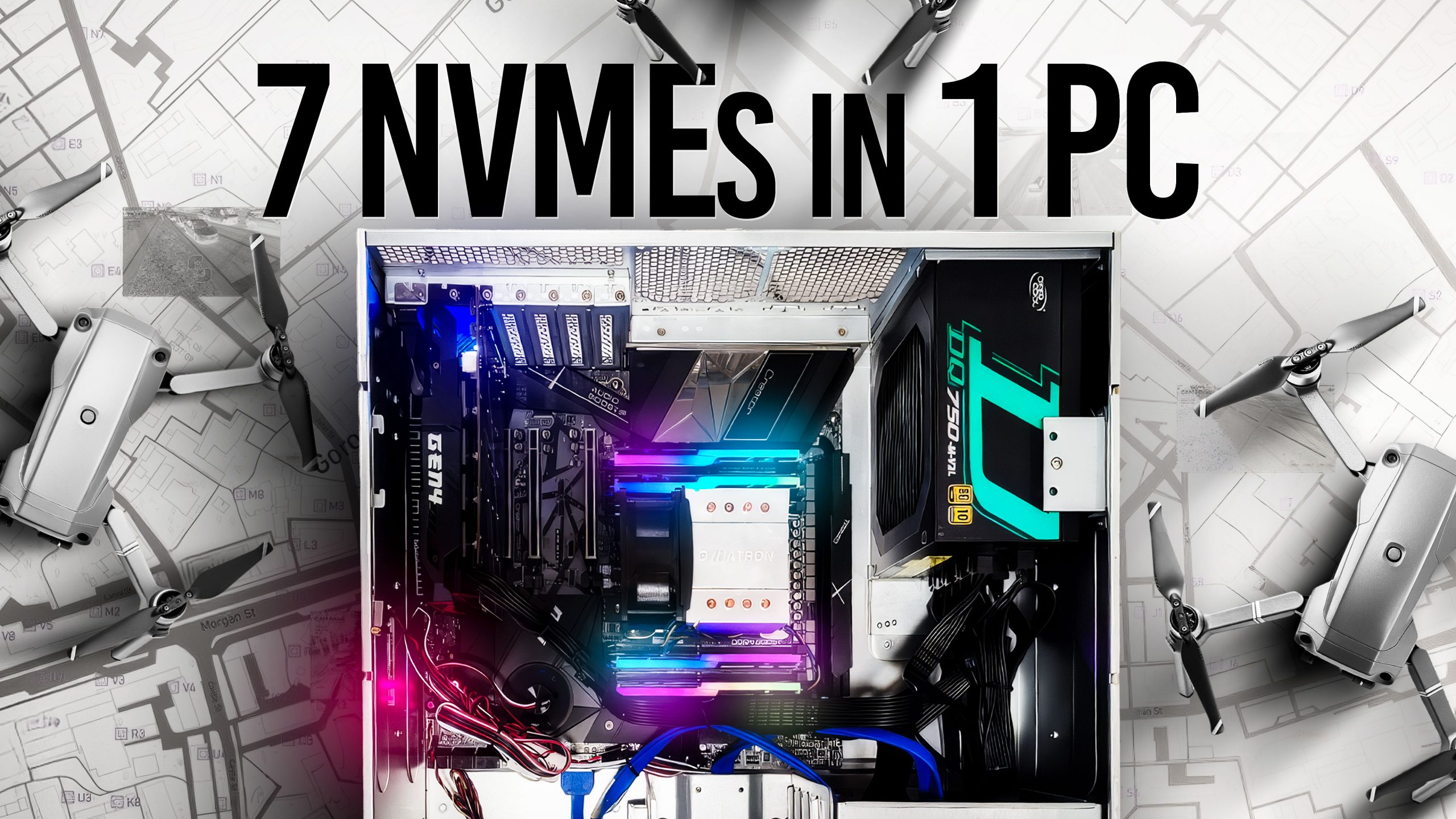
Building a 26TB High-Speed Data Workstation for Drone Surveillance
Requirements Our client (which cannot be revealed due to NDA purposes) builds defence systems for homeland security. And their analytics division needed a workstation capable of high-volume data processing. And they they approached us with a challenge: “We have a drone surveillance system that generates 1 Giga Byte of data per second in the form…